
Glaucoma may be silent
Early symptoms are often absent. Gradual side-vision loss can be difficult to notice without an examination.
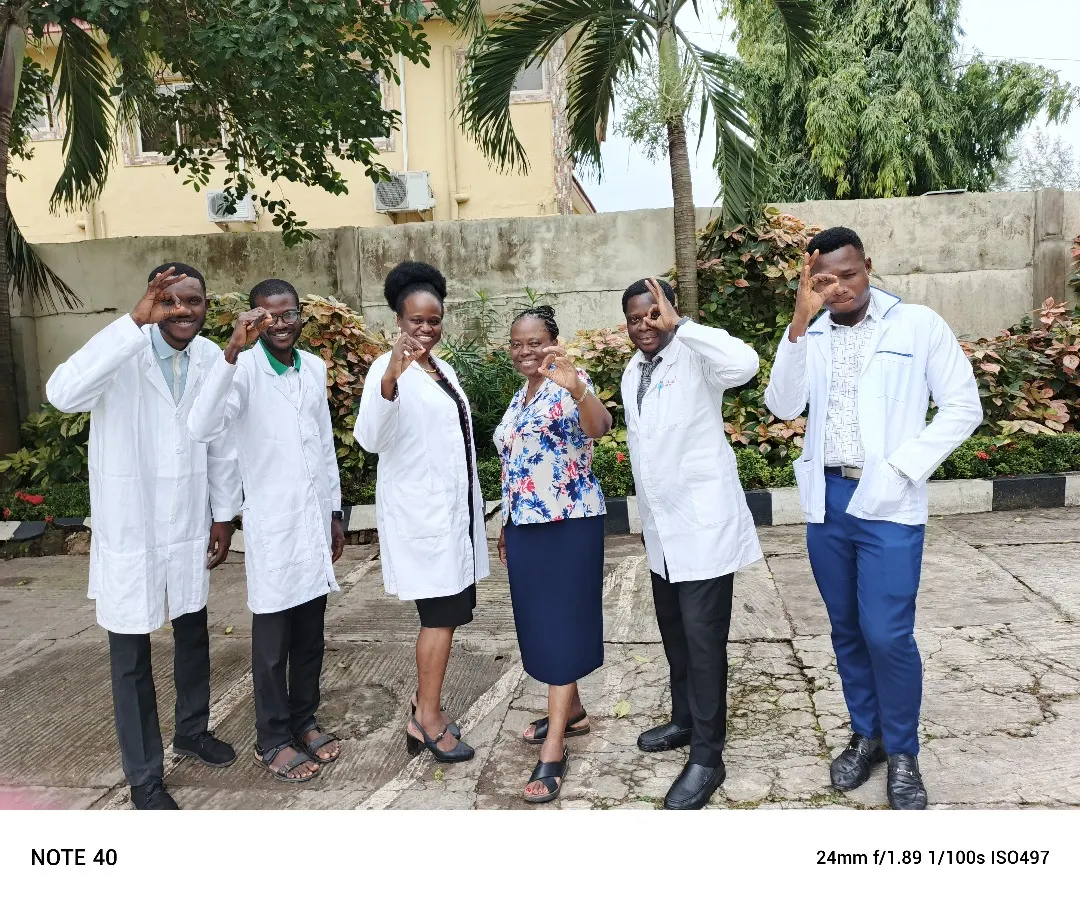
Clear, general information to help people ask informed questions and seek qualified eye care.
Glaucoma basics
Glaucoma is a group of eye diseases that can cause vision loss and blindness by damaging the optic nerve.
Symptoms can begin so slowly that a person may not notice them. A comprehensive dilated eye examination is the way an eye-care professional checks for glaucoma and related vision changes.
Glaucoma damage cannot be reversed, but early treatment can often slow or stop further damage. Treatment may include prescribed eye drops, laser treatment or surgery, depending on the diagnosis and a clinician's advice.
Only a qualified eye-care professional can assess your eyes, explain your individual risk and recommend an examination or treatment plan.
Take action
Do not wait for obvious symptoms before discussing your eye health with a qualified professional.
Early symptoms are often absent. Gradual side-vision loss can be difficult to notice without an examination.
A comprehensive dilated examination and visual field testing can help an eye-care professional check for glaucoma.
When glaucoma is diagnosed, following the prescribed treatment and attending follow-up appointments are important.
Sudden intense eye pain, nausea, a red eye or sudden blurry vision can be signs of angle-closure glaucoma. Seek urgent medical attention or go to an emergency department immediately.
Prepare for an appointment
Authoritative source
The medical information on this page was reviewed against the National Eye Institute's patient information on glaucoma. The external page includes more detail about symptoms, diagnosis, treatment and research.
National Eye Institute glaucoma guide